

Pests are a horrible thing to find in any home, as not only are they upsetting to any house-proud person but they also pose serious health and safety risks.
While there are a multitude of pests that can potentially infest your home, such as birds, insects or rodents, there are fewer vermin more villainous than the rat. Rats can carry germs such as salmonella and E. Coli, as well as transmitting diseases including tuberculosis, things that any sane person would want to keep their distance from.
Rats are constantly searching for sources of food, warmth and shelter so they can find their way into drainpipes and designated waste disposal areas, and burrow into compost heaps. For this very reason rats are most commonly found in the garden, but even so their presence here is an issue as they can still spread disease and potentially enter your home.
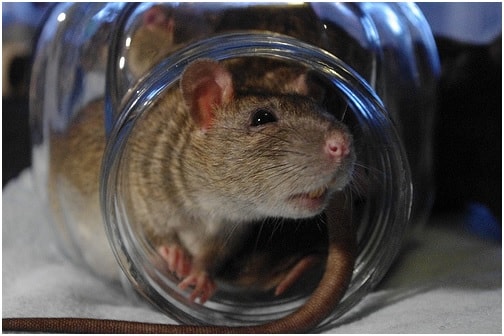
Courtesy of Liftarn
Poison Resistant Rats
Rat infestations could previously be controlled using traps or poison, but due to extensive poisoning some rat populations have developed inherited resistance to particular rodenticide compounds used in standard rat poison pellets. Resistant rats can eat bait containing those compounds without being killed, so the bait can end up acting as food.
The Metro reported in 2013 that there were an estimated 10.5 million rats in Britain, and that 70% of rats in some areas were resistant to the poisons routinely used at the time. There were concerns then that numbers could rise sharply if the issue was not addressed.
In 2013 it was thought that poison-resistant rats had been around for about 50 years, and that they were spreading through the southern counties of England.
Succeeding Over the ‘Super Rats’
The ability of these rats to survive certain poisons led to the nickname ‘super-rat’. Resistant rats are not a new species. They are ordinary rats whose resistance is inherited and specific to particular rodenticide compounds, so they are not immune to all control methods and can still be dealt with using other compounds, trapping and proofing.
Several people across the UK have claimed to the national press to have experienced rats of a giant size -some even claim to have seen rodents up to 2ft long, which has surprised even the most weathered pest control specialists.
Control methods have had to be adjusted to include different traps and baiting methods. As households are unlikely to have access to control methods other than over-the-counter poison pellets, which resistant rats may survive, it is advised that professional pest control assistance is sought in the event of an infestation.
Identifying a rat problem
Rat problems can initially be difficult to identify, as the animals are nocturnal which means you won’t often run into them during the day, but there are several signs to look out for that could mean rats have invaded your property.
The most obvious clues are droppings left by the rats and holes chewed through walls, doors or carpets which rats have eaten their way through.
Other signs are gnaw or bite marks; rat teeth continue to grow throughout their entire lives so they constantly gnaw on things to keep their teeth filed down, and will continue to do so in your home. As rats have very greasy fur you may sometimes be able to see smears or a build-up of grease where they have been.
Another sign that rats have entered your home is scratching - this can sometimes be passed off as floorboards creaking or water pipes groaning, but this could also be evidence of rats living within your wall cavities.
If you establish or even just suspect that you have a rat infestation in your home, it is incredibly important to seek a solution as soon as possible.